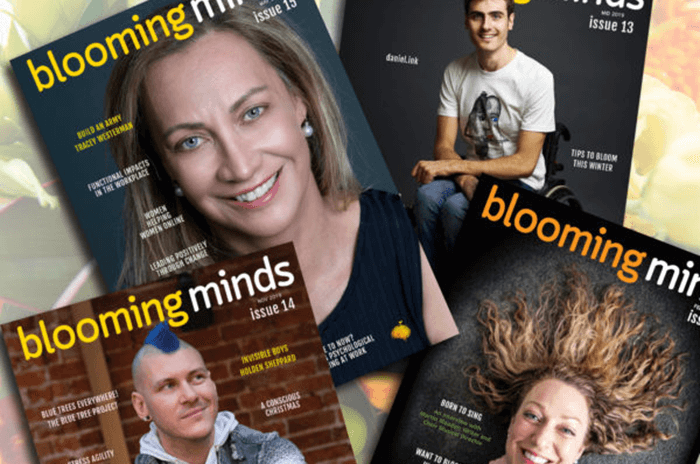

Workplace mental health training – delivered to you, wherever you are.
The mental health and wellbeing culture of your workplace is vital to the success of your organisation. You have a responsibility to manage psychosocial risks and hazards in the workplace. Learn through our in-person, live online & self-paced eLearning courses. Create a positive mental wellbeing culture where your business and people thrive.



I found the course really beneficial. I now feel confident in recognising signs of mental illness and my role as a leader to support my team. ~ Team Leader, Water Corporation

I thought the course was fantastic! Very thought provoking and really helps to understand how we can better communicate, showing vulnerability and build stronger relationships. ~ Customer Service, HBF
Finally, a program that combines theory, evidence and models with real world pragmatism - and simple, relatable and usable approaches. ~ Human Resource Manager, Water Corporation

I was particularly impressed by Tasha's commitment to making a tailored program exceed the basic requirements given to her. She went above and beyond to do this. ~ Health Management and Safety Specialist RN, Iluka
The course was very beneficial for me to figure out where I was at with my mental health and it provided great tools on how to manage stressful situations and prioritising self-care. ~ Leadership Development Events Coordinator, Leadership WA
I cannot recommend it highly enough. There is something to be gained by everyone in this course. Tasha is an awesome presenter. ~ Senior ER Manager, Water Corporation

Excellent course that provides the underpinning knowledge to make sound decisions and lead a team effectively in times of change. Highly recommended. ~ A/Director, NDIS
I was skeptical undertaking a mental health course online but was actually surprised about how valuable this was. Great approaches to conversations and case examples. ~ Operations Manager, Water Corporation

I thought the course was fantastic! Very thought provoking and really helps to understand how we can better communicate, showing vulnerability and build stronger relationships. ~ Customer Service, HBF
I was hooked from the beginning to end. I was continuously learning new stuff about how I can help others and myself. ~ Community Support Officer, Workpower
I was astounded how the Building Buoyancy course is simple yet effective for individuals to use. I have used this in my workplace and my personal life, I would implore one and all to do this course. ~ Snr Field Insp - Technical, Water Corporation

How we
enable you
Programs & eLearning Courses

Online eLearning Courses
Equip your leaders and employees with the insights, tools and strategies they need to recognise and address mental health issues proactively.

In-person training
Explore our on-site, mixed-mode training courses, which we will customise to support your people in building a positive mental health culture.

Mental Health Champions
Discover how the Blooming Minds Mental Health Champions™ program will enable your people to create a sustainable psychological health and safety culture.

Mental Health First Aid
Learn how the Mental Health First Aid (MHFA) course can equip your employees to recognise and respond to mental health issues and crises.

Custom Corporate Programs
From training, coaching and strategic consulting, to online resources and ongoing support, explore our range of corporate programs.











Keynote speaking & seminars
Tasha Broomhall

Allow renowned mental health specialist and keynote speaker Tasha Broomhall to educate and inspire you and your delegates. At work. In life.
Watch the ted-x talk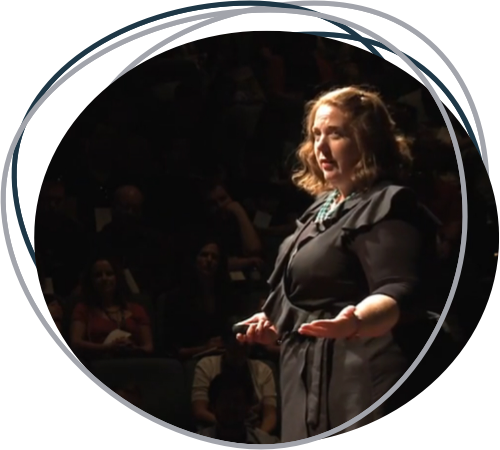
I found the course really beneficial. I now feel confident in recognising signs of mental illness and my role as a leader to support my team. ~ Team Leader, Water Corporation
I thought the course was fantastic! Very thought provoking and really helps to understand how we can better communicate, showing vulnerability and build stronger relationships. ~ Customer Service, HBF
Finally, a program that combines theory, evidence and models with real world pragmatism - and simple, relatable and usable approaches. ~ Human Resource Manager, Water Corporation
I was particularly impressed by Tasha's commitment to making a tailored program exceed the basic requirements given to her. She went above and beyond to do this. ~ Health Management and Safety Specialist RN, Iluka
The course was very beneficial for me to figure out where I was at with my mental health and it provided great tools on how to manage stressful situations and prioritising self-care. ~ Leadership Development Events Coordinator, Leadership WA
I cannot recommend it highly enough. There is something to be gained by everyone in this course. Tasha is an awesome presenter. ~ Senior ER Manager, Water Corporation
Excellent course that provides the underpinning knowledge to make sound decisions and lead a team effectively in times of change. Highly recommended. ~ A/Director, NDIS
I was skeptical undertaking a mental health course online but was actually surprised about how valuable this was. Great approaches to conversations and case examples. ~ Operations Manager, Water Corporation
I thought the course was fantastic! Very thought provoking and really helps to understand how we can better communicate, showing vulnerability and build stronger relationships. ~ Customer Service, HBF
I was hooked from the beginning to end. I was continuously learning new stuff about how I can help others and myself. ~ Community Support Officer, Workpower
I was astounded how the Building Buoyancy course is simple yet effective for individuals to use. I have used this in my workplace and my personal life, I would implore one and all to do this course. ~ Snr Field Insp - Technical, Water Corporation